
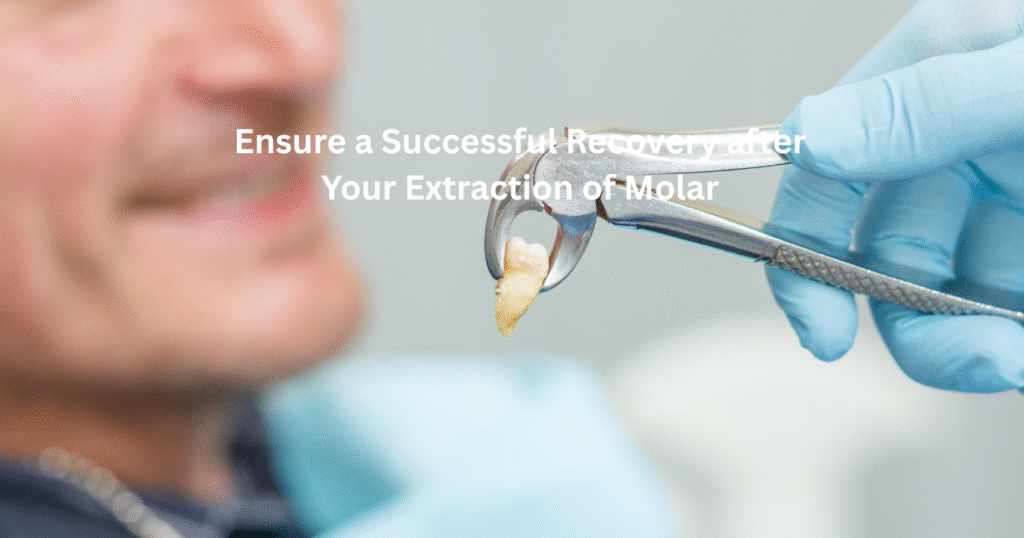
When it comes to extraction of molar, you find two ultimate types: simple extractions and surgical extractions. Grasping the differences between them helps you proactively set up for your extraction and learn what to expect, which mitigates it. Let’s take a deeper look at this procedure and learn more about its aspects in this blog. Plus, precious tips can help you recover fast.
Types of Molar Extractions: Simple vs. Surgical
Having an extraction of molar can be overwhelming, but with the proper preparation, you can have this procedure with peace of mind. There are two main types of extraction of molar that are:
Simple Extraction of Molar
This type of extraction is typically performed on molars that are easily accessible in the mouth; it works with damaged molars or any gum disease. A dentist often uses a local anesthetic to numb the area around the molar. With an elevator, a dental instrument, loosen the molar and gently remove it in a few minutes.
Surgical Extraction of Molar
Unlike the first type, this extraction is more complex, including the removal of molars that are hard to access. Surgical extraction of molar includes teeth that are broken off at the gum line, wisdom teeth, or teeth with extensive damage. Surgical extractions are definitely performed under local anesthesia. A dentist makes a small incision in the gum tissue to make it to the molar. In more challenging cases, the molar may require to be divided into smaller pieces for easier removal and close with stitches after the extraction.
Pre-Extraction Preparation: What Patients Need to Know
Getting ready for a surgical moral extraction decreases anxiety and speeds up recovery. Here’s how to prepare for an extraction of molar:
- Preferably, write down any questions before your consultation to be ready for your surgery without any concerns.
- You’ll likely need to fast for a certain time before this procedure if anesthesia is part of it. Your dentist will tell you exactly what you need to do in this aspect.
- Tell your dentist about your current medications to pause specific medications that can worsen your case and describe others before the surgery to improve your recovery outcomes.
- In case you wear a removable dental appliance, such as a denture or a retainer, you mostly will leave them at home or bring them for review.
Step-by-Step Process of Molar Extraction
- The extraction of molar is easier than what you imagine. It is typically implemented in a controlled environment to ensure proven outcomes.
- Firstly, a dentist prepares the area by numbing it with local anesthesia. After that, the extraction procedure starts with using specific tools to remove the molar.
- You may need a small incision in the gum to access the molar or to remove it effortlessly.
- After removing your molar, your dentist will clean the area of extraction and stitches it if needed.
- Rest assured, each step is performed precisely to reduce any risks of failure and support healing.
- The extraction of molar procedure doesn’t take a long time. Overall, the time promptly depends on your case and the complexity of the procedure.
Post-Extraction Care: Managing Pain and Healing
The right aftercare is important for faster recovery. Your dentist is supposed to provide certain instructions on how to care for the area of extraction to manage it properly. Carelessness can lead to discomfort or swelling. You must follow these instructions to improve healing of your molar and avoid infection. In most cases, dentists prescribe pain killers and antibiotics to help in the recovery process. In addition, follow-up sessions are important as well to check your case.
Read: Medical Care from the Best Medical Tourism Companies in Egypt
Tips for a Smooth Recovery After Molar Extraction
Caring for your teeth is not limited to the period after your surgery, it extends beyond that. You have to follow a healthy routine to ensure strong teeth and avoid any troubles ahead.
- Committing to soft foods that are nice to your teeth, avoiding crunchy, or spicy foods is the best behavior you can adopt to protect your teeth.
- Gently brush your teeth and avoid the extraction site during the first few days.
- Keep yourself hydrated and drink a lot of water to cut down on dry socket.
Conclusion
Manage the process and expect a smooth recovery. If you need an extraction of molar, our experienced team at Smilevoyage is ready to perform both simple and surgical extractions. Prioritizing your comfort and well-being.